

How to Check for Proper Tire Pressure
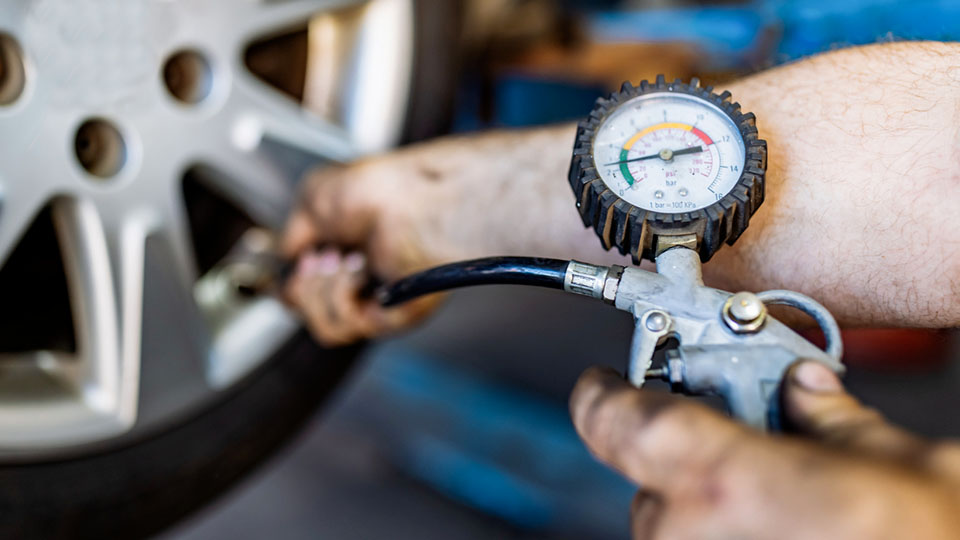
Tire pressure is a key factor in the safety and efficiency of any vehicle: tires that are underinflated or overinflated can compromise the car’s stability, increase fuel consumption, and accelerate tire wear. For this reason, checking tire pressure regularly is a simple maintenance task that every driver should know how to do. How do you check tire pressure correctly? And most importantly, what pressure levels should you aim for to drive safely? Here you’ll find all the information you need.
Let’s start with a fundamental concept: there is no universal value that applies to all cars. The correct tire pressure depends on the vehicle model, the tire size, and the load being carried.
The manufacturer’s recommended values are generally found in the owner’s manual or on a label located inside the driver’s door or on the fuel filler door.
Two different inflation pressures are often specified: one for normal driving conditions and one for when the car is fully loaded, such as with multiple passengers and luggage. It is important to always follow the manufacturer’s instructions, rather than relying on general guidelines or the values printed directly on the tire sidewall, which may indicate different parameters.
Proper tire pressure actually helps ensure good traction, effective braking, and longer tire life.
To understand how to check your tire pressure, all you need is a tire pressure gauge—a tool that measures the air pressure inside the tires. You can use a digital or analog tire pressure gauge, or stop at a gas station equipped with a compressor and a pressure-measuring system.
Before checking the tire pressure, it’s important to remember one rule: the measurement should preferably be taken when the tires are cold. This means the car should have been parked for at least two hours or have traveled only a few kilometers at low speed.
Durante la marcia, infatti, il calore generato dall’attrito aumenta la pressione interna delle gomme, rendendo meno precisa la misurazione rispetto ai valori indicati dal costruttore.
Here is a simple procedure for performing the check on your own:
- Find the recommended values: check the owner’s manual or the information label to verify the recommended tire pressure for the front and rear tires;
- Prepare the pressure gauge: make sure the instrument is in working order and properly calibrated;
- Remove the valve cap: unscrew it and set it aside so you don’t lose it;
- Take the measurement: place the pressure gauge on the tire valve, applying enough pressure to ensure an accurate reading;
- Read the measured value: compare it with the manufacturer’s recommended value;
- Adjust the tire pressure: if the pressure is lower than the recommended level, add air; if it is higher, gradually reduce it;
- Repeat the check: verify the result again and replace the valve cap.
But how do you read the tire pressure gauge to check your tire pressure? The values are generally expressed in bar or PSI. In Italy, most vehicle specifications use bar; it is therefore important to check the unit of measurement before comparing the data. In addition, you should check all four tires, as the pressure may not be uniform.
To keep your tires in good condition, it’s a good idea to check the pressure at least once a month and always before taking a particularly long trip. It’s also important to check the pressure even when the car isn’t used very often: tires tend to gradually lose pressure over time, even without punctures or obvious damage.
If you notice frequent loss of tire pressure in the same tire, you should contact a tire shop to check for punctures, valve problems, or rim issues.
Driving with tires that are not properly inflated can have several consequences. First of all, low tire pressure increases rolling resistance and, as a result, fuel consumption. It can also cause uneven tread wear and compromise handling.
On the other hand, excessive pressure can reduce the contact area with the road and cause the tire to wear unevenly. Checking tire pressure regularly is therefore a simple yet essential step for driving safely, optimizing fuel efficiency, and extending the life of your tires. This extra precaution applies to any car, even when you’re driving a rental car.

Your mobility, our experience
Trust Locauto: for over 40 years we have been supporting those who travel for work or pleasure.

