

Traffic Information, Limited Traffic Zones, and Parking in Chioggia
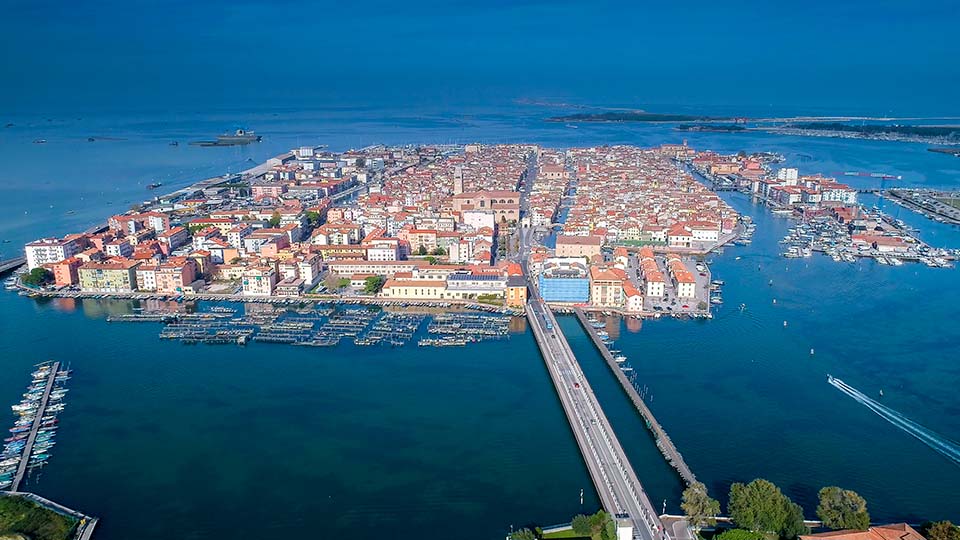
Overlooking the Venetian Lagoon, Chioggia is a city with a unique urban layout, crisscrossed by canals and characterized by narrow streets, bridges, and palaces reminiscent of Venice, yet with a distinctly maritime identity; The historic center is situated on a long, narrow island, where daily life is still tied to fishing and the fish market. It’s worth visiting to stroll along the waterfront, discover the historic architecture, and sample the local cuisine, but also to explore the surrounding lagoon and visit seaside resorts like Sottomarina. However, those arriving by car should plan ahead: the unique layout of the city center and traffic restrictions make it important to know where to park in Chioggia.
Three main canals run through the heart of Chioggia: the Canal Vena, the innermost and most picturesque; the Canal Lombardo to the west; and the Canale San Domenico to the east. Nine bridges span the Canal Vena, connecting the two banks and guiding visitors past historic buildings, riverbanks, and views of the water. The narrow streets, laid out in a herringbone pattern, tell the story of the relationship between the residents and the sea: in the past, they served as places of work and socializing, with storage areas for fishing gear accessible directly from the boats.
The walk can start at Porta Garibaldi and continue along Corso del Popolo, the main thoroughfare of the historic center, which is about 840 meters long and lined with arcades and buildings. From here , you can reach the Cathedral of Santa Maria Assunta, the Basilica of San Giacomo, and the Clock Tower, while the nearby Vigo Bridge offers a picturesque view of the canal and the lagoon. These are places that allow you to appreciate the city at a leisurely pace, stopping at local spots and observing life as it unfolds along the banks.
Chioggia’s historic center is part of a Limited Traffic Zone (ZTL) monitored by electronic gates. The city’s website indicates that the LTZ is in effect from 11:00 a.m. to 8:00 p.m. between October and April, and from 11:00 a.m. to 1:00 a.m. the following day between May and September. Access during these hours is permitted only to vehicles authorized by a permit linked to their license plate. Some sections also have specific rules, so it is important to check the signage before entering the city center.
In 2026, the City also piloted a pedestrianization initiative on Corso del Popolo and in certain central areas during the summer months, with traffic and parking restrictions in effect during the times specified in the ordinance. The trial described in the municipal notice was scheduled to run through September 30, 2026; for future visits, it is therefore advisable to check whether new regulations or extensions have been implemented.
To visit the historic center, it’s best to leave your car in parking areas outside Chioggia’s restricted traffic zone (ZTL) and continue on foot. The city’s layout—with its canals, bridges, and narrow streets—makes it impractical to drive between the main attractions. Before setting your GPS, it’s a good idea to find a parking spot suitable for the duration of your visit and check the latest information on rates, availability, and restrictions.
Those who also plan to visit Sottomarina or explore the surrounding area may find a car useful for longer trips. However , it’s advisable to distinguish between a visit to the historic center and a visit to the beach towns, planning your stop based on the area you want to reach.

Your mobility, our experience
Trust Locauto: for over 40 years we have been supporting those who travel for work or pleasure.

